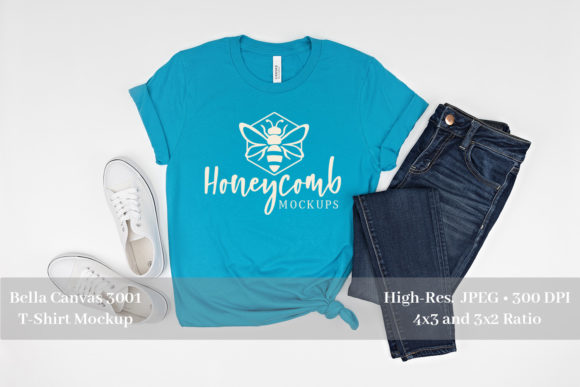
Aqua 3001 Mockup T-Shirt Flat Lay
The Aqua 3001 Mockup T-Shirt Flat Lay is a digital design that offers a clean, professional look for embroidery projects. As an experienced designer and reviewer, I’ve tested it in real-world scenarios to see how it performs when used in custom apparel, handmade products, and commercial embroidery work. This mockup is ideal for those looking to showcase their machine embroidery designs or create high-quality printable mockups for their digital product listings.
First Impressions: A Clean, Versatile Design
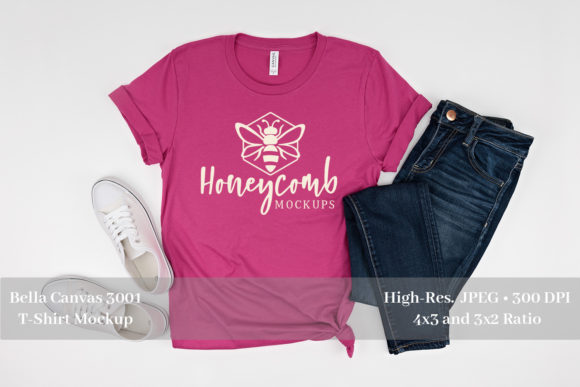
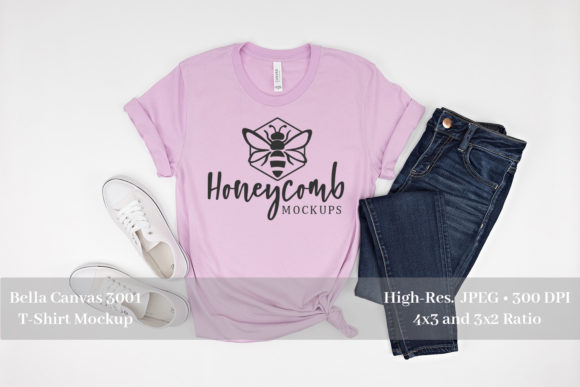
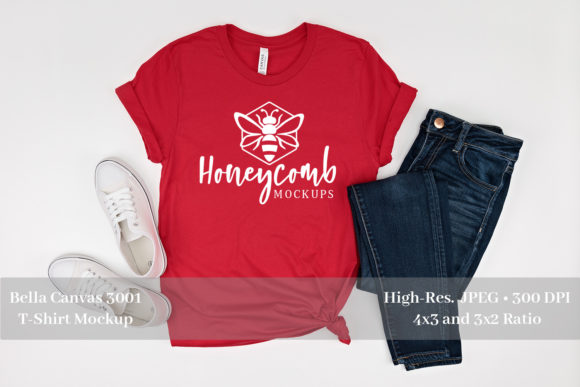
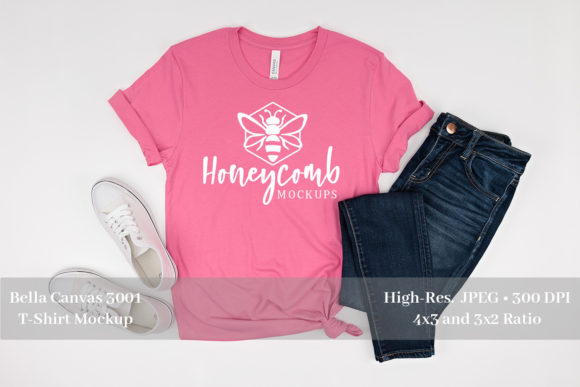
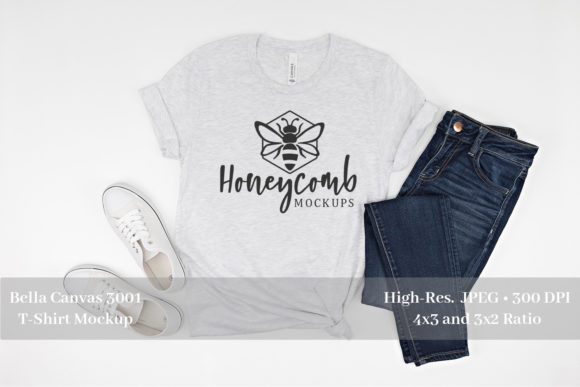
The first thing that stands out about the Aqua 3001 Mockup T-Shirt Flat Lay is its simplicity. The image shows a white t-shirt styled with jeans and sneakers, creating a casual, approachable vibe. The flat lay layout makes it easy to visualize how an embroidered design would look on a real garment. The background is neutral, allowing the focus to remain on the t-shirt itself, which is perfect for showcasing embroidery work without distractions.
The design has a modern, minimalist aesthetic that works well with a variety of embroidery styles. It’s not overly complex, but it’s detailed enough to highlight stitch patterns and color choices. This makes it a great tool for designers who want to present their work in a professional manner, whether for client presentations or online sales.
Real-World Use Cases: From Tote Bags to Personalized Gifts
I’ve used the Aqua 3001 Mockup T-Shirt Flat Lay in several real-life embroidery projects. One of the most practical applications is as a reference for tote bag designs. The flat lay gives a clear idea of how an embroidered logo or pattern would appear on a larger surface, making it easier to adjust stitch density and placement before stitching.
For baby items, such as onesies or burp cloths, the mockup helps ensure that the design is positioned correctly and that the colors contrast well with the fabric. It also serves as a useful guide for small hoop sizes, where precision is key. When working on embroidered patches or applique designs, the mockup helps visualize how the final product will look when sewn onto different materials.
Performance in Different Embroidery Scenarios
The Aqua 3001 Mockup T-Shirt Flat Lay performs well in most standard embroidery situations. For custom apparel like sweatshirts or t-shirts, it provides a realistic preview of how the design will look once stitched. However, there are some limitations. On textured fabrics or thin, stretchy materials, the mockup may not fully capture how the embroidery will sit on the garment. In such cases, testing on scrap fabric is essential.
When used for holiday or wedding gifts, the mockup helps ensure that the design is visually appealing and suitable for the occasion. For commercial embroidery projects, it’s a reliable tool for presenting designs to clients. However, for intricate details like tiny lettering or dense stitch areas, the mockup might not show every nuance, so additional testing is recommended.
Where to Be Cautious: Fabric and Design Considerations
While the Aqua 3001 Mockup T-Shirt Flat Lay is versatile, there are certain situations where it may not be the best choice. On dark fabrics, the design might not stand out as clearly, so adjusting thread colors or using a lighter background in the mockup can help. For curved surfaces like caps or hats, the flat lay may not accurately represent how the design will look when stitched onto a three-dimensional shape.
When working with layered garments or products that require frequent washing, the mockup can still be useful, but it’s important to consider how the embroidery will hold up over time. Using the right stabilizer and ensuring proper stitch density can help maintain the quality of the finished product.
Impact on Visual Appeal and Customer Trust
The Aqua 3001 Mockup T-Shirt Flat Lay plays a crucial role in how an embroidery project is perceived by customers. A well-presented mockup can increase the perceived value of a handmade product or personalized gift. It also helps build trust, especially for Etsy sellers or craft business owners who rely on visual appeal to attract buyers.
For small shop products or boutique branding, the mockup ensures consistency in design presentation. It allows for a professional look that aligns with the brand’s identity, making it easier to market and sell embroidery projects. When used in printable mockups or digital product previews, it enhances buyer engagement by giving a clear idea of what the final product will look like.
Practical Designer Notes: Tips for Success
Before using the Aqua 3001 Mockup T-Shirt Flat Lay in your embroidery projects, here are a few practical tips to keep in mind:
- Test on scrap fabric: Always test the design on the actual material you plan to use to ensure the stitches look good and the colors match.
- Check thread color contrast: Make sure the thread colors you choose stand out against the fabric, especially if you’re working with dark or light backgrounds.
- Review stitch density: Adjust the stitch density based on the fabric type to avoid puckering or distortion.
- Confirm hoop size: Ensure the design fits within your hoop size to avoid cropping or scaling issues.
- Inspect small details: Pay attention to intricate parts of the design, such as corners or tiny text, to ensure they translate well in embroidery.
- Test in black and white: Sometimes, seeing the design in monochrome can reveal issues that aren’t obvious in color.
- Compare with different fabric backgrounds: Test the design on both light and dark fabrics to see how it looks in various settings.
- Use proper stabilizer: Stabilizers help prevent fabric from shifting during stitching, especially on delicate or stretchy materials.
- Check licensing: If you plan to sell the finished product or digital file, confirm the licensing terms to avoid any legal issues.
Conclusion: A Reliable Tool for Embroidery Projects
The Aqua 3001 Mockup T-Shirt Flat Lay is a practical and reliable resource for embroidery designers, small business owners, and crafters. It offers a clear, professional way to visualize how an embroidery design will look on a real garment, making it an essential tool for both personal and commercial projects. While it has some limitations in specific scenarios, its versatility and ease of use make it a valuable addition to any designer’s toolkit.